Branding · · 6 min read
Print on Demand with Custom Labels and Packaging: What to Confirm
Plan neck labels, woven labels, inserts and branded packaging for clothing POD. Check artwork, quantities, storage, fees and approval before ordering.
By MadeOnBlank guides · Supplier-published guidance
Short answer
Private label print on demand clothing starts with a selected garment and agreed brand details. A neck print, sewn label, insert card and branded mailer are separate options. Confirm each option's artwork, quantity, cost and order-handling rules before selling it as part of your product.
On this page
You want the customer to see your brand inside the shirt and on the parcel. Start by listing those two things separately. A provider can offer a printed neck label without a custom mailer, or a plain parcel without changing the garment label.
MadeOnBlank can review brand labels, packaging, storage and individual dispatch alongside a clothing print order. The available combination depends on the garment and project. Full pattern development and custom fabric production follow a separate Meiting Garments brief.
What do you mean by a custom label?
| Item | Where it goes | What to specify |
|---|---|---|
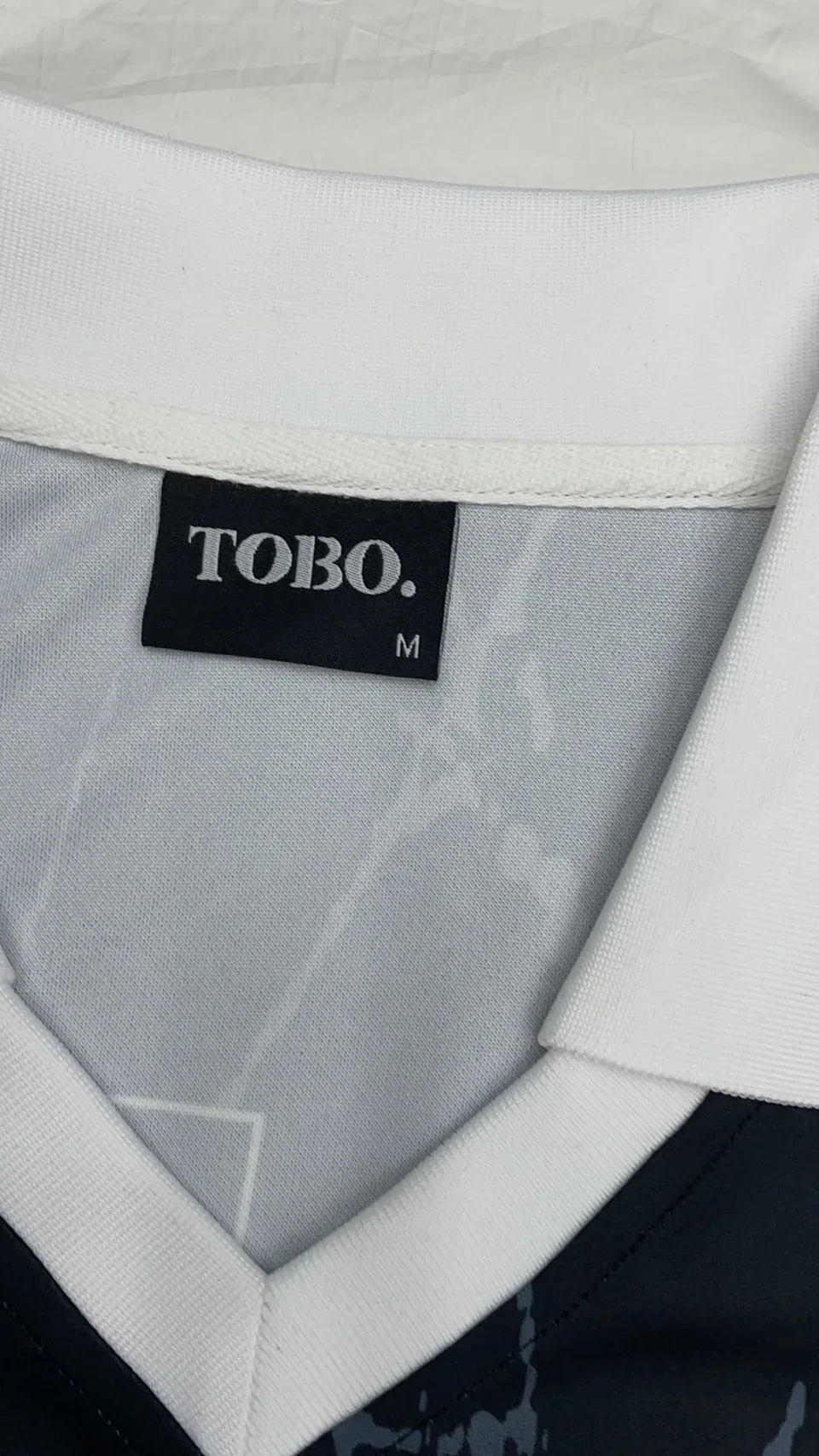
| Printed neck label | Inside the garment, if the fabric and construction allow it | Artwork, finished dimensions, color, position and required product information |
| Woven or printed sewn label | An approved seam, neck or hem position | Label material, fold, finished size, seam allowance and attachment position |
| Hangtag | Attached for presentation | Front and back artwork, stock, hole position, fastener and removal before wear |
| Packing insert | Inside the parcel | Card size, artwork, applicable products and quantity per order |
| Branded mailer | Outside the parcel | Material, dimensions, closure, artwork and which product combinations fit |
| Shipping label or packing slip | On or inside the parcel | Permitted sender details, required carrier information and customer-facing contact details |
These names describe the work to discuss. They are not a promise that every option fits every garment. Keep artwork approval separate from approval of the information that must appear on the product. Our clothing label guide explains the handover in more detail.
Prepare a small, useful brief
For the first conversation, send the garment or product link, your artwork and the brand detail you want to add. You do not need a monthly order forecast to start a business printing request.
During follow-up, work through these decisions:
- Garment: record the style, fabric, colors and size range. Check whether there is a suitable label position and whether an existing label may be removed.
- Brand artwork: keep the original file and state the final size, colors and orientation. A social-media logo file may not contain enough detail for a small woven label.
- Product information: identify who supplies and approves fiber, origin, care and responsible-business information for the destination market.
- Material quantities: distinguish the number of garments printed per order from the number of labels, cards or mailers produced and held in stock.
- Packing instructions: state which orders receive which items and what happens when a material runs out.
- Approval: retain the quote, artwork version, placement proof, sample comments and written approval together.
For US sales, begin with the FTC’s clothing and textile business guidance. Check the rules that apply to the actual product. A supplier’s label template is not, by itself, a compliance decision.
One printed shirt does not mean one of every packaging item
A garment can be printed after a customer orders it while its labels or mailers are made in a batch. Those materials may need storage and stock tracking. Ask which materials can be supplied as needed, which must be bought in advance and who owns the unused balance.
Before paying, separate the quote into garment, decoration, label material and attachment, packaging material, packing work, storage if applicable, and shipping. Ask whether setup, incoming stock handling, taxes or duties are excluded. Compare the same scope when reviewing another provider’s price.
Check the complete sample
Review a sample with the intended garment, label and packing combination. Check that the label faces the right way, its text can be read, its edges and stitching suit the position, and required information remains available. Put the packed garment in the chosen mailer and check fit and closure.
For repeat orders, record the approved version rather than sending a new screenshot each time. If the garment, label supplier, artwork or packaging size changes, identify what needs another review.
Agree what happens when an item is unavailable
| Situation | Instruction to agree before dispatch |
|---|---|
| Branded mailer is out of stock | Hold the order, use an approved substitute or ask for a decision |
| A mixed order does not fit one mailer | Use an approved larger package or agree a split shipment and its cost |
| Garment color changes | Review label contrast and decoration compatibility before substitution |
| Insert artwork changes | Set the first order or date using the new version and isolate old stock |
| A parcel is returned | Identify the return destination, stock disposition and responsibility for fees |
The white-label fulfillment guide covers order handover, customer-visible documents, shipping and returns. Store integration is a separate capability to confirm; a POD service description does not establish an automatic connection.
How other providers describe branding
Printify’s branding page separates neck labels and inserts and lists provider and routing limitations. Printful’s packaging page describes packaging approval, fit, location availability and stock conditions. These are examples of the questions to ask, not MadeOnBlank’s prices or service terms.
Choose a garment in the apparel catalog, then send a short brand printing brief. Confirm the finished combination before showing customers a branded product mockup as an actual delivered item.
Common questions
Can print-on-demand clothing have my own label?
Brand labels are available for selected projects. Confirm the garment, label type, artwork, attachment method, quantity and cost. One-piece printing does not automatically mean every custom label or packaging material can be produced in a quantity of one.
Are white-label shipping and a custom neck label the same?
No. White-label shipping concerns supplier branding on the parcel and order documents. A neck label changes information inside the garment. Branded packaging is another option; agree all three separately.
Are labels and packaging included in the catalog price?
Catalog prices are for the garment only. Printing, embroidery, labels, other decoration and shipping are additional. Confirm any material setup, storage, packing and handling charges in the written quote.
Can I remove the original clothing label?
Do not remove required product information without an approved replacement. For the US, check applicable fiber-content, origin, responsible-business and care-label requirements using current FTC guidance and product-specific advice. A brand logo alone does not supply that information.
Sources & scope
Owner-confirmed label/packaging service scope plus a project checklist. Material minimums, garment compatibility, fees and destination rules need order review.
- FTC: clothing and textile business guidance
US labeling, care and advertising resources. Requirements must be checked for the actual product and market.
- Printful: custom packaging conditions
Provider-published packaging fit, location and stock conditions checked 2026-10-21; not MadeOnBlank pricing or terms.
- Printify: custom branding and provider restrictions
Provider-published neck-label and insert conditions checked 2026-10-21; verify the current product/provider combination.
Technical reviewer: pending confirmation. Use the guide to prepare your brief. Product and process approval still requires the actual garment, artwork and order review.
Publishing team, evidence standards & corrections →Put your artwork on a garment.
Start with your own piece, or plan a batch for your brand.