Production · · 6 min read
Distressed Clothing and Hand-Painted Finishes: Turn a Reference into a Brief
Plan fading, holes, frayed edges, tie-dye and graffiti effects. Define placement, variation, process order and sample checks before a clothing batch.
By MadeOnBlank guides · Supplier-published guidance
Short answer
Separate changes to garment color, physical wear and applied artwork. A faded wash, a cut hole and a hand-painted mark need different instructions and checks. Define which features must repeat, where variation is allowed, and approve the complete garment after the agreed finish sequence.
On this page
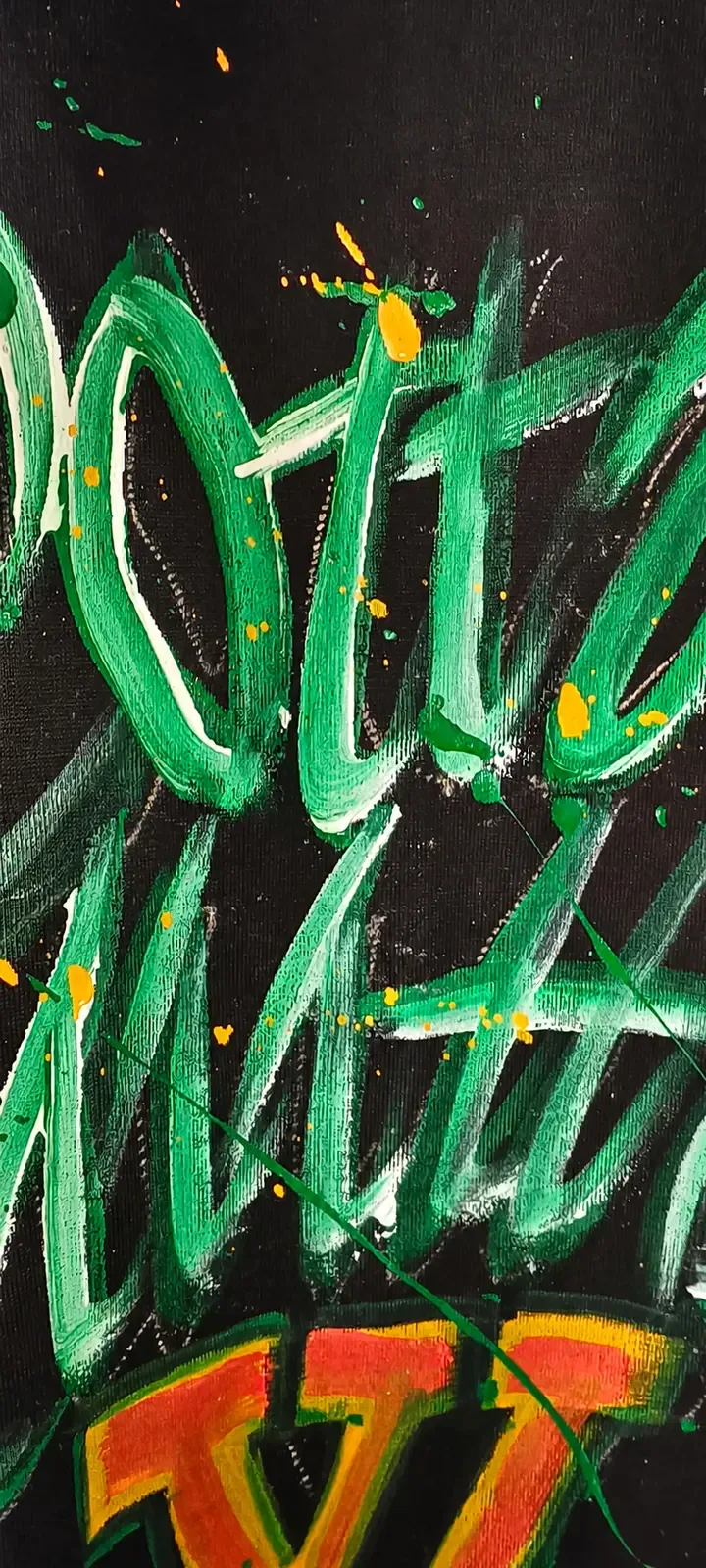
A mood board might combine faded color, worn seams, open holes and splashed artwork. Asking for a “vintage graffiti wash” does not tell a sample team which parts are dye, damage or decoration. Break the look into separate instructions before discussing a production route.
This guide helps a brand or seller prepare that brief. It is not a recipe for chemical finishing. Materials, processing controls and compliance need review by the responsible technical team and facility.
Divide the look into three layers
| Layer | Examples | What the brief must resolve |
|---|---|---|
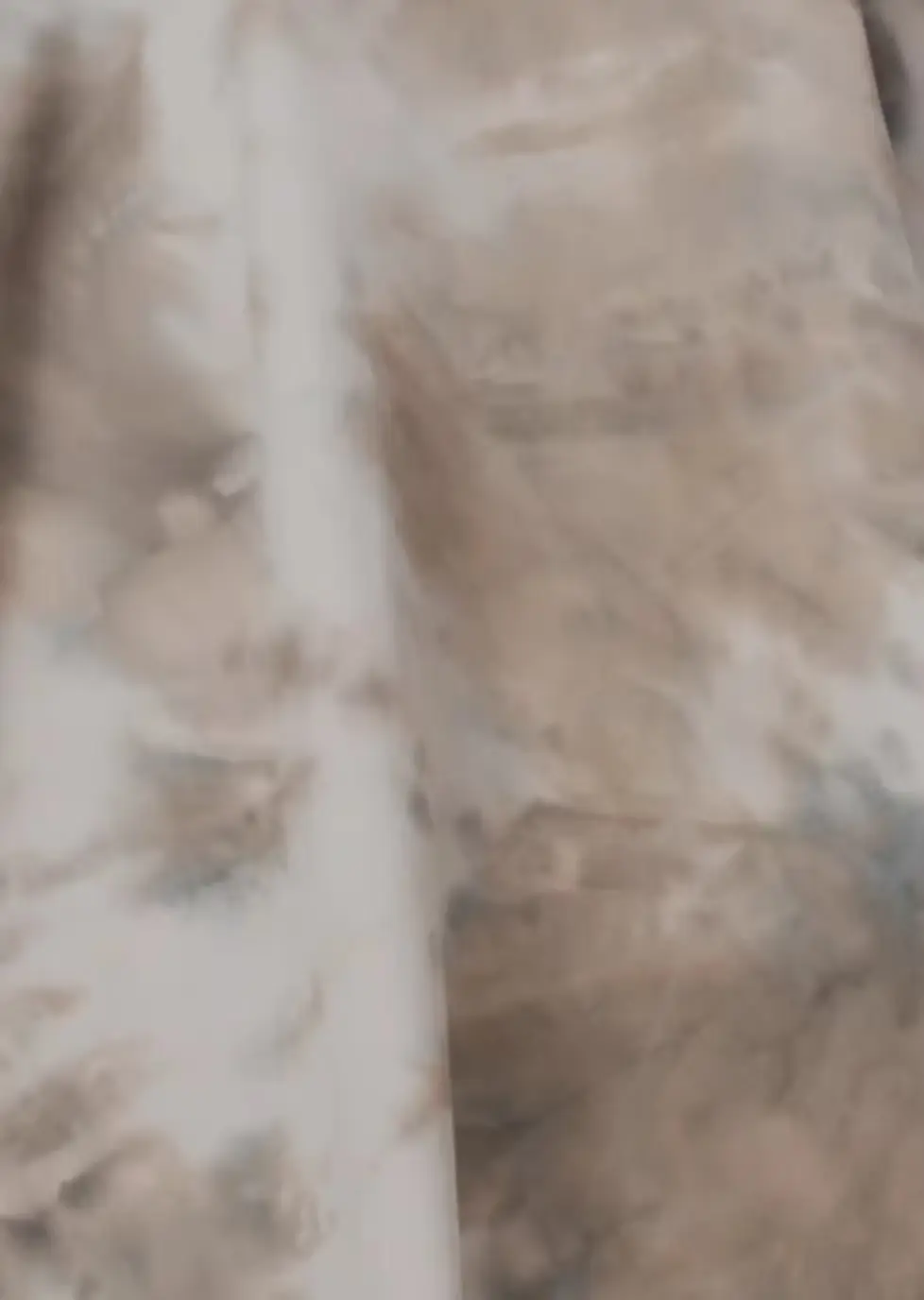
| Color and surface | Stone-wash effect, acid-wash effect, tint, tie-dye | Base garment, target color, contrast, pattern distribution and allowed shade range |
| Physical wear | Cuts, abrasion, frayed edges, whisker-like wear marks | Position, extent, remaining structure and reinforcement |
| Applied artwork | Screen-printed brushstrokes, hand paint, embroidery, coating | Actual application route, dimensions, placement, materials and care checks |
A photograph may show the appearance of all three layers without proving how any of them was made. Use the wash terminology guide for the differences between names and specifications.
Printed brushstrokes or hand-applied paint?
First decide what you are selling. If the goal is a repeatable brushstroke graphic, a printing route may be worth assessing. If individual hand application is part of the intended product, define the fixed composition and the freedom allowed to the maker. Do not describe a printed image as hand-painted because its artwork looks like paint.
For a hand-painted clothing brief, identify the garment, colors, marked zones, approximate coverage, intended texture and acceptable variation. Ask how the application will be fixed and checked on that material. A still photo cannot establish whether it will rub off, transfer color or withstand the intended care.
For graffiti-inspired lettering, also confirm ownership of the design and the exact wording. A reference can communicate style without authorizing a copy of another artist’s work.
Map distressing before making holes
Mark the front and back of the garment with numbered zones. Give each zone its intended type of wear: surface abrasion, a small cut, an open hole or a frayed edge. Include an extent or range to be agreed, rather than one instruction saying “distress all over.”
Identify restricted zones around load-bearing seams, fastenings or areas where openings would be unwanted. Define how the finish changes across sizes. A hole positioned by eye on one sample does not establish placement for every size.
After the agreed care check, inspect whether cuts or fraying have grown beyond the accepted appearance. Deliberate distressing still needs a defined boundary. An unintended tear elsewhere is not automatically part of the look.
Choose what should repeat and what may vary
If the graphic must repeat closely, separate its artwork dimensions and position from the variable garment finish. Record the agreed placement measurement and retain the artwork version.
If each painted or dyed piece may vary, approve a range rather than one ideal image. Compare more than one representative piece when the project requires it, and write which differences are acceptable. The sample quantity and acceptance method must be agreed for the actual batch.
If a replacement batch must sit beside an earlier run, keep the retained reference and the material/finish record. Ask what matching can reasonably be controlled before promising customers identical color or wear marks.
Confirm the whole process sequence
Write the proposed stages in order: blank selection, any wash or dye treatment, drying, cutting or abrasion, artwork application, finishing and packing. This is a project record, not a universal required sequence. The technical review may need to change it.
The point is to test the garment you will actually deliver. Washing after a print can alter its appearance or attachment. Dyeing after sewing can affect fabric, sewing thread, rib, labels and trims differently. Do not combine separate successful tests into an assumed approval of the finished piece.
Copy this sample-review record
| Item | Record and approve |
|---|---|
| Reference | Numbered images, rights and the intended feature from each |
| Garment | Product, fabric information, color and sample version |
| Finish map | Front/back zones, size references and restricted areas |
| Sequence | Actual order of finishing and decoration |
| Variation | Fixed features, acceptable ranges and rejected examples |
| Inspection | Appearance, measurements, structure, color transfer and agreed care checks |
| Approval | Accepted scope, open issues, sample ID and written confirmation |
Use the wash, distress and paint brief. Record missing information as “to confirm” and assign the next question. Avoid filling unknown chemistry, shrinkage percentages or test results from a mood-board image.
For standard single-piece artwork, choose a garment and review its available printing options. For a special finish or coordinated batch, send a short project brief. Feasibility, sample work, quantities, cost and dispatch arrangements are confirmed together before the work is approved.
For a collection that needs custom garment development alongside a wash or dye program, see wash and dye development at Meiting Garments. Confirm the manufacturing scope separately. A wash capability page does not establish that a pictured graffiti effect is hand-applied or available on every garment.
Common questions
Is a graffiti print the same as hand-painted clothing?
No. A printed design can reproduce brushstrokes without being painted by hand. If the application method matters to your product description, confirm and record how it is actually made.
Can distressed garments all look identical?
Some features can be controlled closely, while hand application, dyeing and abrasion may introduce variation. Define fixed zones and an acceptable range with approved samples. Do not promise identical pieces without a verified process basis.
Should a wash happen before printing or embroidery?
It depends on the intended effect and compatibility. Confirm the complete sequence and inspect a sample made in that order. A test on a washed blank does not necessarily approve washing after decoration.
Does a coated or painted appearance prove water resistance?
No. Appearance does not establish waterproofing, colorfastness, safety or wash durability. Those claims require product-specific requirements and appropriate evidence.
Sources & scope
Original reference-to-brief method for separating color, physical distress and applied artwork. Process route, repeatability, material safety and care results require actual project review.
- CottonWorks: garment finishing
General garment wet processing and enzyme background; not a recipe, chemical-control approval or test of a MadeOnBlank product.
Technical reviewer: pending confirmation. Use the guide to prepare your brief. Product and process approval still requires the actual garment, artwork and order review.
Publishing team, evidence standards & corrections →